Skip to content

916 521-9040

Tree Removal & Trimming Auburn CA

Crape Myrtle Tree

Free Estimate

Expert Crape Myrtle Pruning & Care in Placer County

Bringing Out the Natural Beauty and Vibrant Blooms of Your Landscape

Crape Myrtles are the "Lilacs of the South," and they thrive in our Northern California heat. However, despite their popularity in Roseville, Rocklin, and Auburn, they are often the most misunderstood trees in the yard. At Lyons Tree Service, we move beyond the common "mow-and-blow" hack jobs. We provide professional, arborist-guided pruning that respects the tree's natural form, maximizes flower production, and showcases the stunning "lace bark" that makes these trees a local favorite.

Specialized Care for Northern California Crape Myrtles

While all Crape Myrtles belong to the Lagerstroemia genus, they require different care based on their size and location in your landscape.

Dwarf & Semi-Dwarf Varieties
Common in the smaller yards of Granite Bay and Rocklin, these varieties are bred to stay compact. We focus on light shaping to keep them from overcrowding your walkways or windows.

Tree-Form Standards (Natchez, Muskogee, Tuscarora)
These are the large, towering varieties seen in the older neighborhoods of Roseville and Auburn. Because they can reach 30 feet, they require professional high-reach thinning to maintain their height without sacrificing their structural safety.
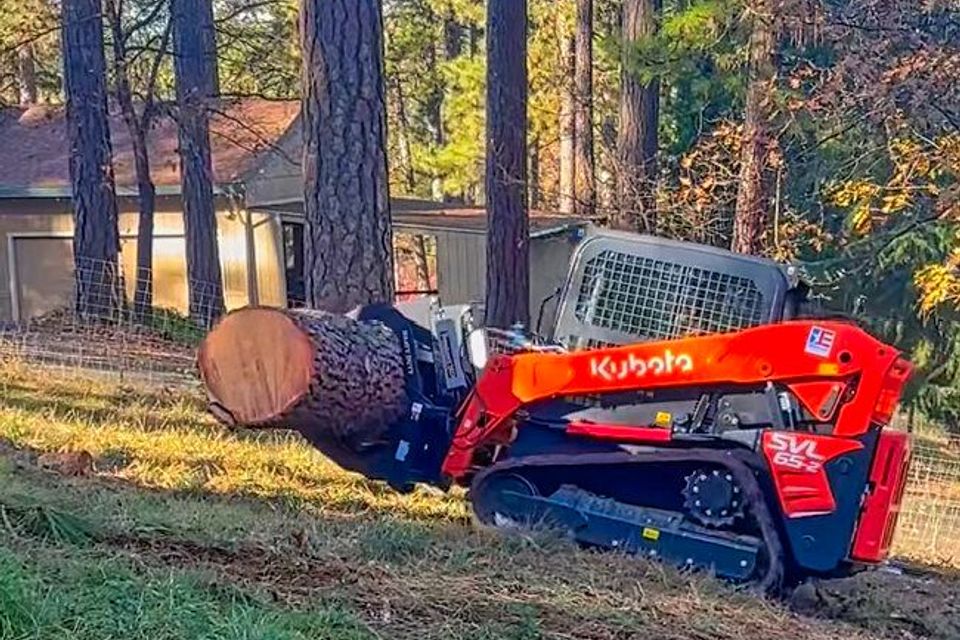
Large-scale tree removal in Placer County featuring ground protection mats and precision cutting to ensure zero impact on the homeowner's landscape and structures.

Professional Crape Myrtle Removal Services

Whether you are clearing space for a new landscape design, dealing with a poorly placed tree, or removing one that has suffered significant decline, our team ensures a clean and hassle-free process.

When to Consider Removing Your Crape Myrtle
  • Structural Damage: Many older Crape Myrtles suffer from "included bark" or splitting trunks at the base. If the tree is no longer structurally sound, it may pose a risk to nearby fences or structures.
  • Persistent Disease: While resilient, trees heavily infested with Powdery Mildew or recurring Scale can become a maintenance burden and a source of infection for the rest of your garden.
  • Poor Placement: These trees are often planted too close to home foundations, walkways, or under low-hanging power lines, leading to root interference or constant pruning conflicts.
  • Severe "Crape Murder" Damage: Sometimes, years of aggressive topping leave a tree so stunted and "knobby" that it can no longer be restored to a natural, attractive form.

Precision Removal in Tight Spaces
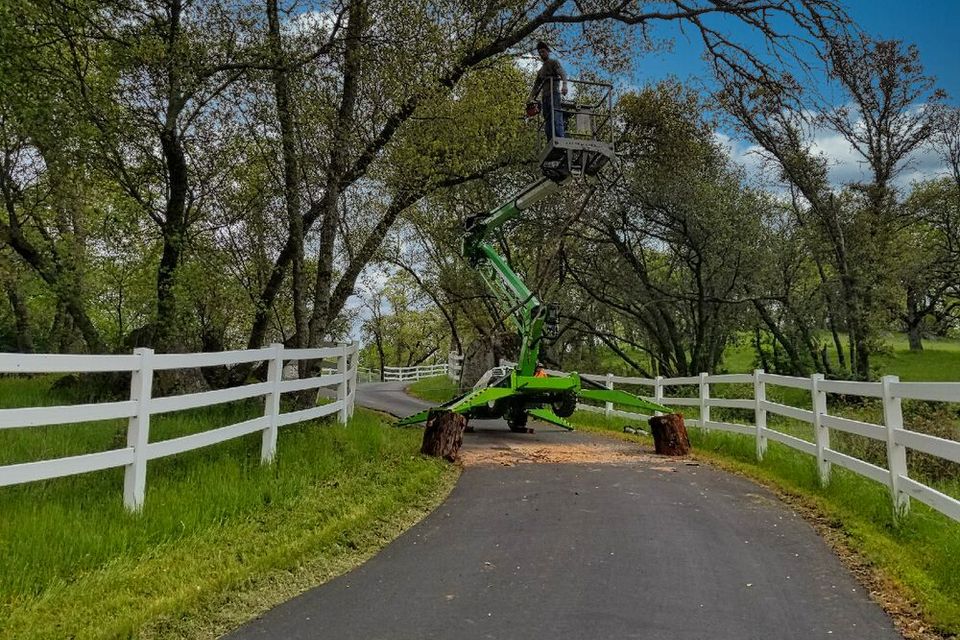
Crape Myrtles are frequently planted in "tight" areas—next to patios, against house walls, or along narrow side yards.
  • Low-Impact Techniques: We use specialized rigging and handheld equipment to dismantle the tree without damaging your surrounding perennials or hardscaping.
  • Property Protection: Our crew is trained to work around delicate landscape lighting, irrigation lines, and pool equipment common in Roseville and Rocklin backyards.

Complete Stump Grinding & Site Restoration
Unlike some species, Crape Myrtles are notorious for "suckering" (sending up new shoots) if the stump is left behind.
  • Deep Stump Grinding: We grind the main root ball and the immediate lateral roots to prevent regrowth and allow for immediate replanting.
  • Site Cleanup: We remove all fibrous wood and debris, leaving the area raked and ready for your next project—whether that’s new sod, a garden bed, or a different tree variety.
3

Specialized Services for Crape Myrtles

Maintaining a Crape Myrtle is an art form. We focus on the health of the tree and the aesthetics of your property through specific technical pruning methods.

Natural Structural Thinning
Instead of cutting the tops off, we perform "natural thinning." This involves removing crossing branches, inward-growing limbs, and "water sprouts" (the thin, vertical shoots).
  • Airflow & Light: Improves sunlight penetration to the inner canopy.
  • Disease Prevention: Reduces the risk of Powdery Mildew by increasing circulation.
  • Stronger Stems: Ensures the branches are strong enough to hold heavy bloom clusters without drooping.

Lace Bark Cleaning & Trunk Shaping
One of the most beautiful features of a mature Crape Myrtle is its exfoliating bark. We provide:
  • Sucker Removal: Clearing growth from the base to highlight the sculptural trunks.
  • Cleaning: Gently removing old seed pods and dead wood to reveal the "honey" and "cinnamon" colors of the bark.

Corrective Pruning (Fixing "Crape Murder")
If your trees have been topped in the past—leaving them with ugly, knobby "fists" at the ends of the branches—we can help. Through multi-year corrective pruning, we can restore a more natural, graceful canopy and improve the long-term health of the tree.

Why Choose Lyons Tree Service for Your Crape Myrtles?

The Gold Standard in Corrective & Aesthetic Pruning
In Roseville and Auburn, many companies offer "tree trimming," but few understand the delicate balance required to maintain a Crape Myrtle. At Lyons Tree Service, we treat your trees as living sculptures, not just yard waste. Here is why Placer County homeowners trust us with their landscapes:

1. We Are the Anti-"Crape Murder" Experts
The most common mistake in Northern California is "topping" Crape Myrtles—cutting them back to ugly, blunt stubs every winter. This weakens the tree and creates unsightly knots. We specialize in Natural Structural Thinning, which maintains the tree’s graceful canopy while encouraging more vibrant, larger bloom clusters.

2. Specialized "Lace Bark" Preservation
Mature Crape Myrtles are famous for their stunning, multi-colored peeling bark. Our arborists are trained to prune in a way that highlights these sculptural trunks. We carefully remove "water sprouts" and suckers that hide the tree’s natural beauty, ensuring your tree looks like a resort-style centerpiece year-round.

3. Disease & Pest Management
Crape Myrtles in our region are prone to Powdery Mildew and Aphid infestations that leave leaves sticky and black. We don't just cut branches; we assess the health of your tree. Our pruning techniques increase airflow through the canopy, which is the most effective natural defense against these common local issues.

4. Precision Timing for Maximum Blooms
Timing is everything. Pruning too early or too late can "shave off" the season's flower buds. We understand the specific growth cycles of the Sacramento Valley and Foothills, ensuring we prune during the winter dormancy to set your tree up for a spectacular summer show.

5. "White Glove" Cleanup Guarantee
Crape Myrtles drop a significant amount of spent flowers, seed pods, and "lace bark" during the maintenance process. We take pride in our Zero-Debris Policy. When we leave your property, your patio, lawn, and flower beds will be cleaner than when we arrived.

Frequently Asked Questions About Crape Myrtle Care

What is "Crape Murder" and why is it bad for my trees?
"Crape Murder" is a local term for the practice of topping a Crape Myrtle—cutting all the branches back to blunt stubs every winter. While the tree will grow back, this practice creates weak, spindly new growth that often flops over under the weight of blooms. It also causes ugly, knobby scars on the trunks and shortens the tree's lifespan. We use "Natural Thinning" to keep your trees healthy and beautiful without these damaging cuts.

When is the best time to prune Crape Myrtles in Northern California?
The ideal window is during the winter dormancy, typically between January and early March. Pruning while the leaves are gone allows us to see the tree’s architecture and make precise cuts. It also ensures we don't accidentally remove the new growth that produces the summer’s flower clusters.

Why are the leaves on my tree covered in a white, powdery film?
This is likely Powdery Mildew, a fungal disease common in the Sacramento Valley when we have warm days and humid nights. It can stunt growth and ruin blooms. Our professional thinning services improve airflow through the canopy, which naturally dries out the leaves and significantly reduces the risk of mildew without the need for constant chemical treatments.

How do I get my Crape Myrtle to bloom more?
The secret to big blooms is "thinning," not "topping." By removing the small, twiggy growth and opening up the center of the tree, the tree can direct all its energy into the main branches. This results in larger, more vibrant flower clusters that stand upright rather than drooping toward the ground.

Why is there a sticky sap dripping from my tree onto my patio?
This "sap" is actually honeydew produced by Crape Myrtle Aphids. These tiny insects suck the nutrients from the leaves and excrete a sticky substance. If left untreated, a black fungus called "sooty mold" can grow on the honeydew. We offer targeted treatments to eliminate aphids and keep your patio and furniture clean.

Can a Crape Myrtle that has been topped for years be fixed?
Yes! We specialize in corrective pruning. By carefully selecting "new leaders" from the existing growth and gradually removing the old, knobby "fists," we can restore a natural, graceful canopy over two to three seasons. It’s never too late to stop the "murder" and start proper care.

Contact Us Today

Give us a call 916 521-9040 or send us a message using the form below.